

Understanding The Dangers Of Radon Gas In Your Home

Radon is an invisible, odorless, and tasteless radioactive gas that naturally forms when uranium breaks down in soil, rock, and water. Because it cannot be detected through human senses, it quietly infiltrates homes through foundational cracks, sump pumps, and floor drains.
Recognizing The Dangers Of Radon Gas is the first step toward protecting your family from a serious, long-term health hazard. Environmental safety experts emphasize that elevated indoor radon levels are the leading cause of lung cancer among non-smokers worldwide.
Because radon accumulates silently inside closed living spaces, professional continuous monitoring is the only definitive way to measure your risk and lock in an effective mitigation plan before exposure increases.
Why Radon Exposure Spikes During Peak Heating Seasons
While radon is present year-round, indoor concentrations typically reach their peak during late autumn and winter. As outdoor temperatures drop, homeowners close windows and seal doors to conserve heat.
This creates a closed thermal system where indoor air pressure drops lower than the pressure in the soil beneath the foundation. Known as the “stack effect,” this pressure differential actively pulls soil gases upward into your living space.
Because air exchanges drop dramatically during colder months, trapped radon gas builds up to dangerous levels. Scheduling an evaluation before heavy heating demands begin ensures you capture accurate exposure data when risks are highest.
Health Risks Associated With Long-Term Exposure
When you breathe in radon decay products, microscopic radioactive particles become trapped in your lungs. Over time, these particles release tiny bursts of energy that damage lung tissue and alter cellular DNA.
Industry research shows that prolonged exposure to high indoor radon levels leads to severe, irreversible respiratory conditions. The risk multiplies significantly for households with current or former smokers.
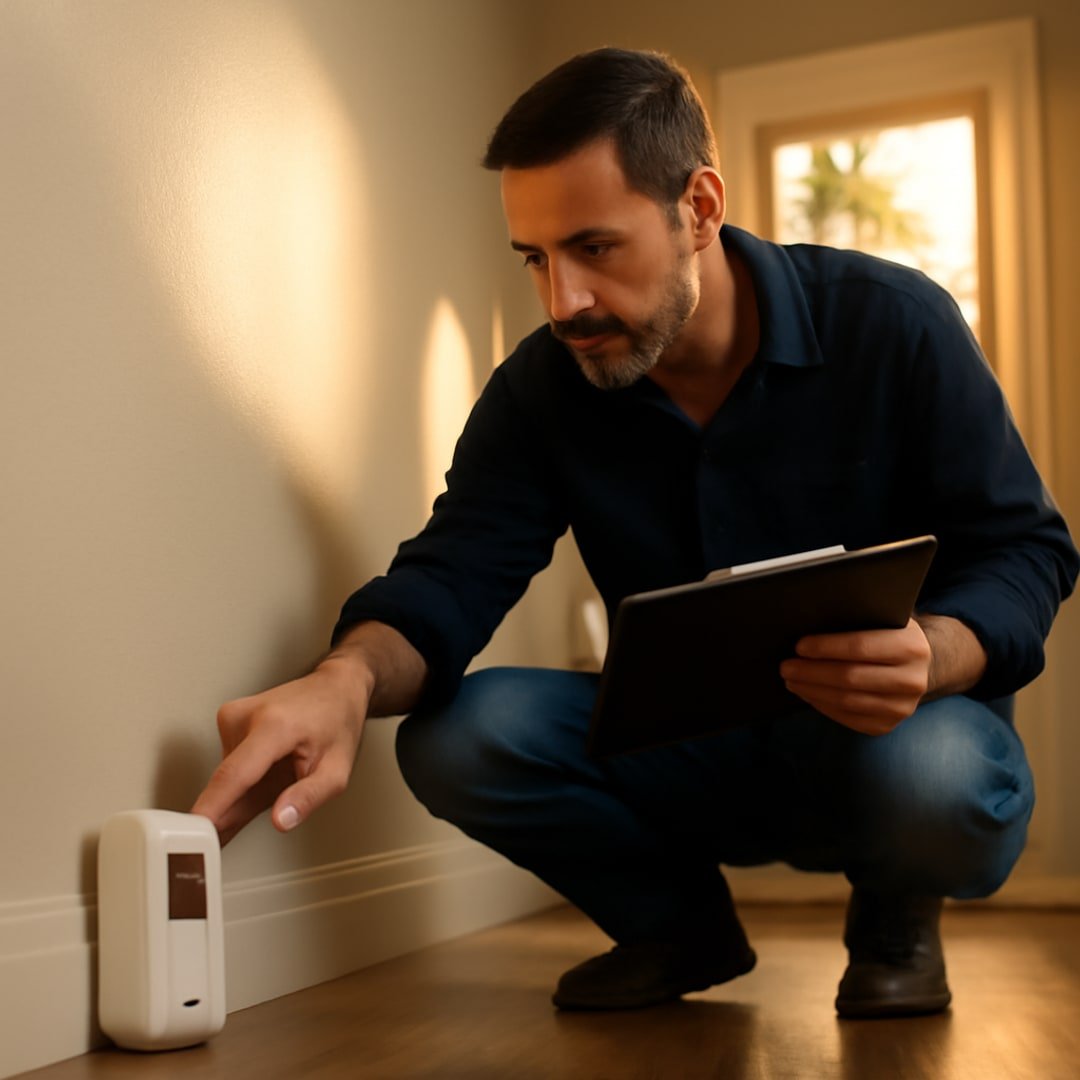
Because symptoms often take years or decades to manifest, early detection remains your single most effective defense against long-term illness.
The Pre-Winter Radon Testing Checklist
To ensure precise diagnostic results, homeowners should follow a strict protocol prior to initiating a continuous monitor test. Preparing your home properly eliminates false readings and accelerates corrective action.
- Maintain Closed-House Conditions: Keep all windows and exterior doors closed for at least 12 hours prior to and during the testing window.
- Run Normal HVAC Systems: Operate heating and air conditioning units normally, but avoid using whole-house attic fans or open fireplaces.
- Select Central Living Areas: Position continuous testing monitors in the lowest inhabited level of the home, elevated off the floor and away from drafts or direct sunlight.
- Secure Timely Lab Analysis: Ensure high-precision continuous monitors are deployed and evaluated by certified professionals who can interpret minute fluctuations.
Lock In Your Protection With Valor Property Inspections
Testing for radon should never involve guesswork or delay. Valor Property Inspections provides advanced diagnostic air testing designed to identify hazards accurately and give you complete control over your home’s environmental safety.
By scheduling your assessment during peak planning periods, you ensure prompt placement of monitoring equipment, priority analysis, and clear guidance on appropriate mitigation steps before winter weather sets in fully.
Take Action to Shield Your Living Space Today
Don’t wait for seasonal temperature drops to trap hazardous gases inside your home. Take proactive control of your indoor air quality by reserving your testing slot now.
Contact Valor Property Inspections today to book your professional air quality assessment and lock in your test schedule before peak-season availability fills up.