

Understanding the Unique Heating and Cooling Challenges of Vintage Properties
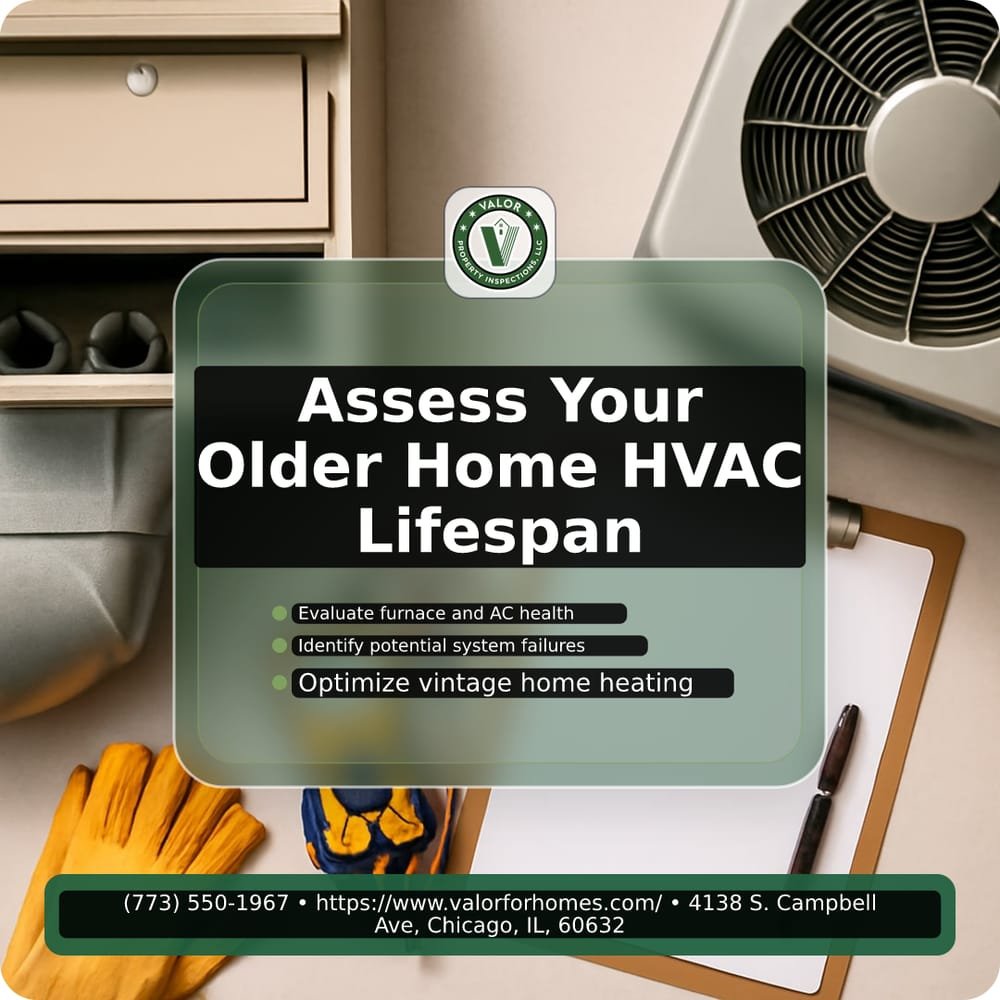
Older homes carry timeless architectural charm, but their heating and cooling systems often tell a much more complex story. Decades of additions, retrofits, and varying maintenance habits can leave an aging heating and cooling setup struggling to keep up with modern efficiency expectations.
When evaluating historic or vintage properties, simple visual checks are rarely enough to determine remaining operational life. Professional HVAC System Inspections Assessing Furnace AC Lifespans In Older Homes provide the objective insights needed to evaluate equipment health, anticipate upcoming replacement costs, and ensure indoor comfort.
Understanding how aging heating and cooling components interact with older architectural frameworks allows property owners to make informed, proactive decisions before catastrophic system failures occur.
Key Factors Influencing Furnace and Air Conditioner Longevity
The average furnace lasts between 15 and 20 years, while a standard central air conditioning unit typically operates efficiently for 10 to 15 years. However, in historic properties, these baseline expectations often change drastically based on installation quality and historical usage patterns.
During thorough evaluation processes, certified technicians analyze several critical factors that directly impact equipment durability:
- Historical Maintenance Records: Consistent filter changes and annual tune-ups significantly extend mechanical lifespans compared to neglected systems.
- Sizing and Capacity Compatibility: Oversized or undersized units work harder than necessary, accelerating internal wear and tear on compressors and heat exchangers.
- Ductwork Integrity: Original or modified air distribution networks often suffer from air leaks, restricted airflow, or inadequate insulation, putting extra strain on connected machinery.
- Ventilation and Draft Performance: Older chimneys and flue systems may not vent modern combustion gases efficiently, leading to internal corrosion risks.
Hidden HVAC Challenges Common in Aging Residential Structures
Comprehensive HVAC System Inspections Assessing Furnace AC Lifespans In Older Homes frequently uncover hidden issues that standard home walkthroughs miss entirely. Older building materials and outdated layout designs often present unique operational obstacles.
Outdated Air Distribution Networks
Many homes built before the mid-twentieth century were originally designed for gravity furnaces or radiator heating. When modern forced-air heating and cooling equipment is retrofitted into these spaces, smaller legacy ductwork can severely restrict air movement.
Restricted airflow forces compressors and furnace blowers to operate at elevated temperatures. Over time, this constant overheating dramatically shortens overall component longevity and drives up monthly utility expenses.
Compromised Heat Exchangers and Corrosion Hazards
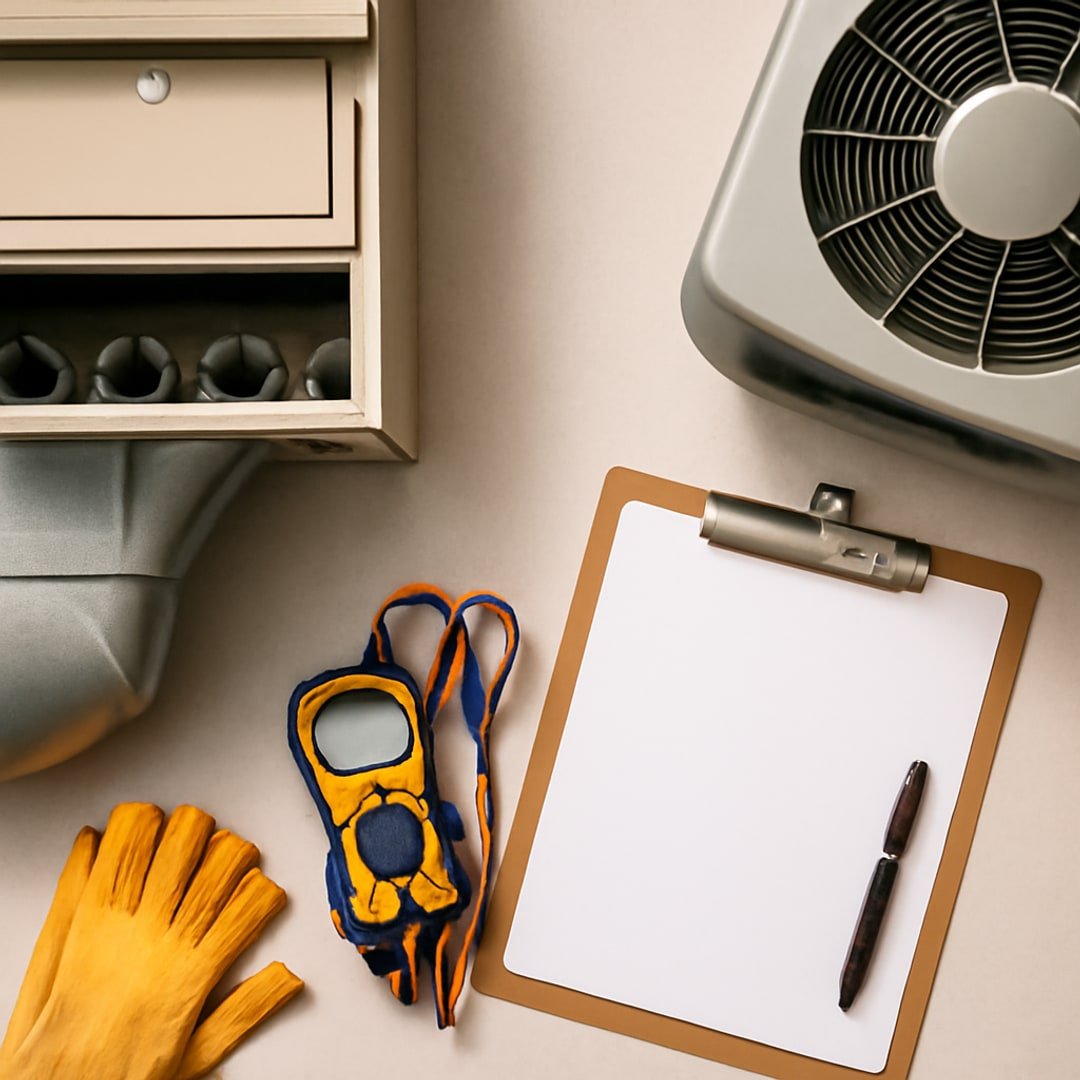
In vintage furnaces, age-related metal fatigue is a primary safety concern. Heat exchangers expand and contract thousands of times throughout their operational lives, eventually developing micro-fractures or heavy interior rust.
A cracked heat exchanger poses severe health hazards, including potential carbon monoxide exposure. Thorough visual and diagnostic checks are essential to verify that aging heating units remain entirely safe for continuous operation.
What to Expect During a Professional Mechanical Evaluation
When scheduling professional assessments, property owners receive a thorough diagnostic check designed to evaluate mechanical stability and safety. Experts from Valor Property Inspections closely examine both heating and cooling loops to measure baseline performance levels.
A standard evaluation protocol typically involves several key analytical steps:
- Static Pressure Testing: Measuring resistance to airflow within the duct system to identify hidden restrictions or sizing mismatches.
- Thermodynamic Temperature Differential: Checking the supply and return air temperatures to ensure the furnace and cooling coils are transferring thermal energy effectively.
- Electrical Component Diagnostics: Inspecting capacitors, wiring connections, and blower motors for signs of burning, arching, or imminent mechanical breakdown.
- Safety Control Inspection: Testing high-limit switches, flame sensors, and automatic shutoff valves to confirm critical emergency features function correctly.
How System Health Impacts Total Property Safety and Efficiency
Prioritizing HVAC System Inspections Assessing Furnace AC Lifespans In Older Homes helps home buyers and owners avoid unexpected emergency replacements during extreme summer or winter weather. Replacing a major heating or cooling unit on short notice is often costly and disruptive.
Detailed performance reports offer actionable data that allows property owners to budget effectively for future capital upgrades. Beyond financial planning, ensuring correct fuel combustion, proper electrical connections, and adequate ventilation directly protects the home from potential fire and health hazards.
By identifying mechanical bottlenecks early, owners can also implement small targeted repairs—such as sealing exposed ductwork or replacing worn capacitors—that preserve existing equipment and lower monthly operational costs.
Take Control of Your Property’s Indoor Comfort Today
Understanding the true condition and remaining operating life of vintage heating and cooling equipment requires specialized knowledge and rigorous testing methods. Valor Property Inspections delivers clear, unbiased evaluations that remove the guesswork from maintaining older residential properties.
If you are planning to purchase an older residence or want to assess the remaining operational life of your current heating and cooling setup, contact Valor Property Inspections today to schedule your comprehensive mechanical evaluation.