
Understanding City Building Code Inspections Vs Private Home Inspections Key Differences
Navigating the home buying or building process often brings buyers face-to-face with municipal officials and independent property experts. Many property owners assume that passing a municipal check means a house is in perfect condition, but this is a common misconception.
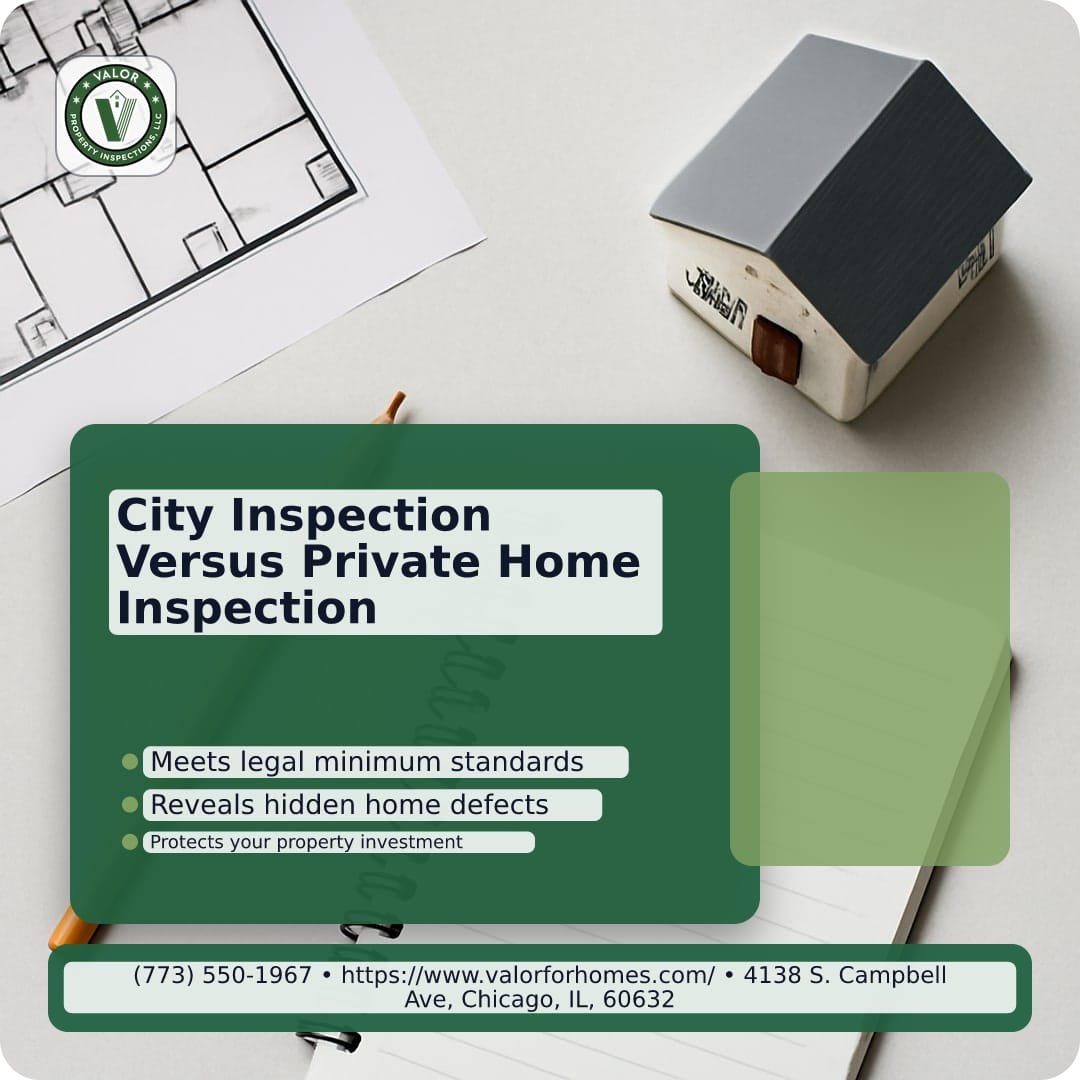
Understanding City Building Code Inspections Vs Private Home Inspections Key Differences helps buyers protect their investments and prevent costly surprises after closing. While both evaluations assess a property’s physical structure, their scopes, intentions, and legal mandates are fundamentally different.
At Valor Property Inspections, our certified team works directly with local buyers and homeowners to deliver clarity on property safety, overall maintenance needs, and long-term structural integrity.
The Scope and Purpose of Municipal Code Evaluations
Municipal code checks exist primarily to enforce local building standards and minimum safety compliance. Local government officials conduct these site visits to ensure a structure meets local ordinance requirements and zoning regulations.
These reviews focus on basic safety parameters rather than overall quality or future performance. A municipal representative verifies that new electrical wiring, plumbing rough-ins, or structural additions meet local safety laws at the exact time of construction.
Key Focus Areas for Municipal Inspectors
- Minimum Legal Standards: Verifying that the build adheres strictly to local municipal building codes.
- Permit Compliance: Ensuring all work performed aligns with approved architectural plans and local permits.
- Life Safety Features: Checking fundamental elements like smoke alarm placement, stair handrails, and proper emergency egresses.
- Pass/Fail System: Issuing a simple approval or rejection based strictly on local law compliance.
The Scope and Purpose of Independent Comprehensive Property Evaluations
A comprehensive private evaluation looks beyond baseline legal minimums to assess the holistic condition of a home. Independent evaluations focus on protecting the buyer’s financial interest by identifying hidden defects, deferred maintenance, and aging system components.
When analyzing City Building Code Inspections Vs Private Home Inspections Key Differences, the depth of evaluation is one of the most significant factors. Independent professionals spend hours examining everything from roof shingles and attic insulation to foundation walls and HVAC efficiency.
Our team at Valor Property Inspections provides detailed, easy-to-read reports complete with high-resolution imagery and actionable maintenance recommendations. We take the time to answer questions directly on-site, empowering buyers during real estate negotiations.
City Building Code Inspections Vs Private Home Inspections Key Differences Side-by-Side
Comparing these two services directly reveals why relying solely on municipal approval can leave property buyers exposed to unexpected financial risk. Municipal officials are legally constrained to look only at active permit work, whereas comprehensive inspectors evaluate the entire structure.
Client Focus and Alignment

Municipal inspectors work for the local government entity to protect public safety and enforce civil codes. They do not work for the homebuyer or property owner. Conversely, Valor Property Inspections works exclusively for you, acting as an unbiased advocate for your real estate investment.
Depth of Examination
Code reviews are usually rapid assessments designed to verify specific construction milestones. Comprehensive evaluations involve operating functional systems, testing outlets, inspecting roof surfaces, and evaluating environmental factors that local laws might completely ignore.
Reporting and Findings
A municipal inspector typically leaves behind a short checklist marked pass or fail. In contrast, a complete evaluation report details present conditions, estimates component lifespans, highlights potential safety hazards, and outlines cosmetic versus critical repair needs.
Neighborhood Realities and Community Trust
Every residential neighborhood presents unique structural challenges, ranging from aging foundation materials in historic districts to complex drainage needs in newer developments. Municipal guidelines establish baseline construction rules, but they rarely address regional wear-and-tear or localized system decay.
Building strong community trust means providing neighborhood-focused guidance tailored to local housing stock. Valor Property Inspections focuses on helping community members understand the specific risks associated with different architectural styles and home ages across local neighborhoods.
Industry research shows that homes passing municipal minimums can still suffer from thousands of dollars in hidden repair needs, such as failing sewer lines or localized moisture intrusion. Working with a dedicated, trusted local team ensures these subtle issues are detected before you sign a binding purchase agreement.
Why Buyers Need Both Types of Evaluations
It is important to remember that these two processes are complementary rather than redundant. Municipal oversight ensures modern construction standards are enforced locally, while private evaluations protect your household budget and peace of mind.
Skipping a private evaluation because a home recently passed municipal review can result in significant out-of-pocket expenses for aging HVAC units, subtle roof leaks, or poor attic ventilation. Ensuring both checks occur provides the ultimate safety net for your property transaction.
Protect Your Investment with Valor Property Inspections
Now that you understand the City Building Code Inspections Vs Private Home Inspections Key Differences, take the next step toward a secure real estate investment. Do not leave your financial future to minimum code checks alone.
Contact Valor Property Inspections today to schedule a complete home evaluation with our trusted local team.