
Understanding the Residential Property Assessment Process

Purchasing a new residence is one of the most significant financial investments you will ever make. Navigating the evaluation phase requires a clear strategy to ensure you understand the physical condition of the property before closing the deal.
A detailed evaluation offers a clear, unbiased look at a building’s physical structure and mechanical systems. By identifying underlying defects early, buyers can make informed choices and avoid unexpected repair costs down the road.
This Complete Guide To Residential Home Inspections For Chicago Homebuyers breaks down the essential components of an evaluation, helping you prepare for walkthroughs, analyze technical reports, and protect your investment.
Key Areas Covered in a Standard Property Evaluation
Professional property assessments focus on non-invasive visual examinations of accessible structural elements and home systems. Knowing what an inspector reviews helps buyers set realistic expectations during the contingency period.
Structural Integrity and Exterior Elements
The structural review focuses on the load-bearing components of the house. Examiners look for visible signs of foundation movement, structural sagging, and wall cracking that could indicate serious settlement issues.
On the exterior, the assessment covers siding condition, window flashings, exterior doors, and proper soil grading. Ensuring water drains away from the foundation is critical to maintaining long-term structural health.
Roofing and Overhead Defenses
The roof serves as the primary barrier against environmental wear and moisture intrusion. An examiner checks the age, material condition, and installation quality of shingles, tiles, or membrane systems.
Flashing around chimneys, skylights, and plumbing vents is evaluated closely, as these junction points are common sources of subtle leaks. Gutters and downspouts are also checked to ensure proper runoff management.
Interior Systems and Utilities
Inside the residence, the assessment shifts toward major mechanical and electrical systems that power daily life. A thorough check involves opening access panels, testing safety features, and monitoring system operational cycles.
Key systems examined include:
- Plumbing Systems: Water pressure, pipe materials, fixture operation, drain flow, and water heater safety valves.
- Electrical Panels: Main panel capacity, wiring types, grounding connection, breaker conditions, and GFCI outlet safety.
- Heating and Cooling: HVAC unit age, distribution ductwork, air filter condition, heat exchanger integrity, and thermostat responsiveness.
- Interior Finishes: Ceilings, walls, flooring, staircases, guardrails, and windows for proper operation and insulation efficiency.
Hidden Structural and Environmental Challenges
Many property defects are not obvious during a standard open house walk-through. Subtle indicators of water damage, outdated building materials, or deferred maintenance often require specialized experience to identify.
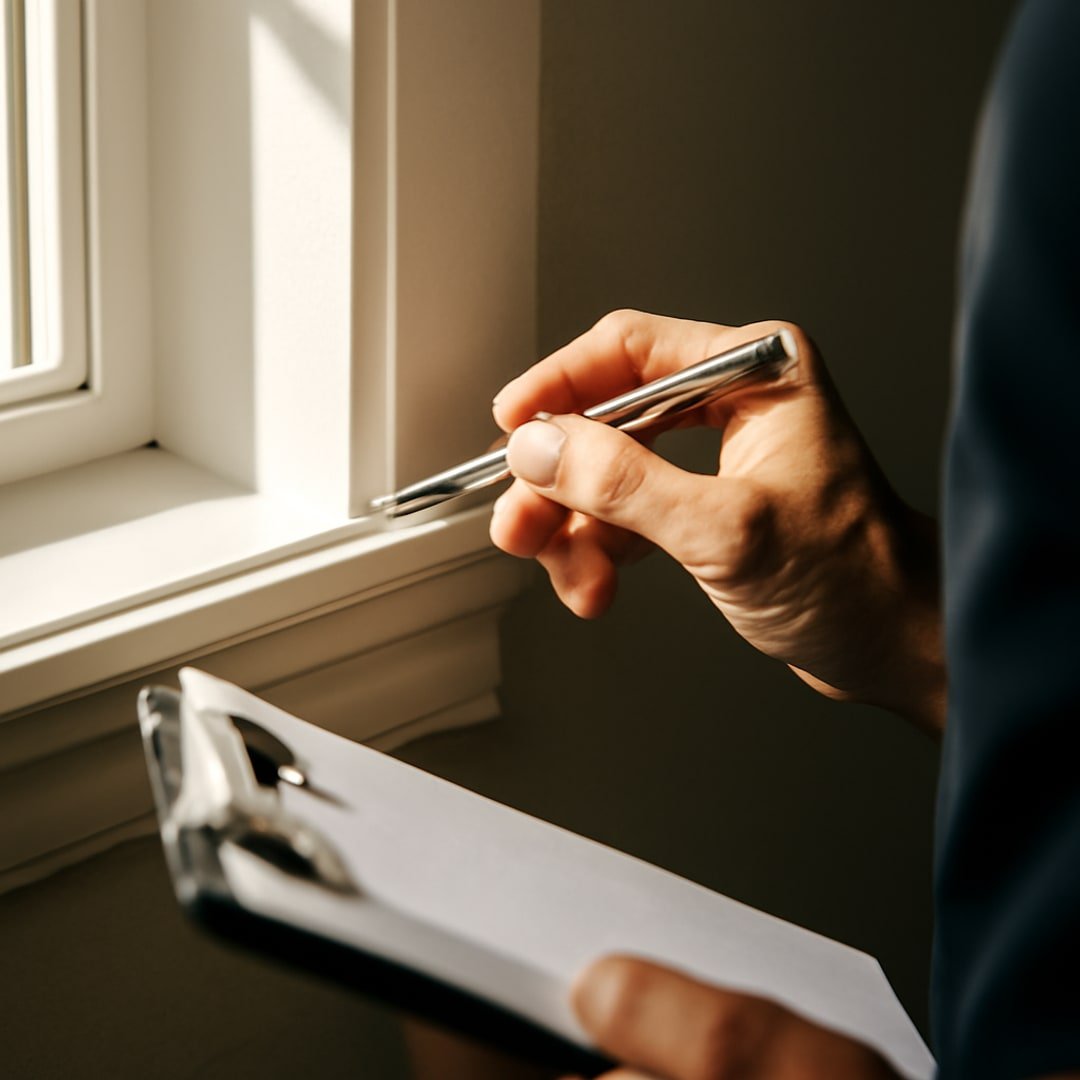
Moisture intrusion is among the most common and costly hidden issues found in residential properties. Minor stains on drywall or basement walls can point to hidden plumbing leaks, poor exterior drainage, or ventilation failures.
Outdated wiring, such as knob-and-tube or ungrounded systems, poses safety hazards and creates insurance challenges. Identifying these issues before final closing allows buyers to adjust expectations and plan necessary upgrades.
How to Prepare for Your Property Walkthrough
To get the maximum value from your professional evaluation, proper preparation is essential. Attending the walk-through allows you to learn about system shut-off valves, general maintenance schedules, and primary safety controls firsthand.
Step 1: Review the Seller Disclosure Documents
Examine the seller’s disclosure forms to note any past repairs, known issues, or previous water damage. Share these notes with your property inspector so specific areas receive extra attention during the assessment.
Step 2: Formulate a Targeted List of Questions
Draft a list of questions regarding any specific concerns you noticed during initial viewings. Focus on the age of major appliances, recent structural modifications, and any unusual odors or cosmetic repairs.
Step 3: Walk the Property with the Examiner
Whenever possible, attend the final hours of the physical walk-through. Valor Property Inspections encourages buyers to walk through the property alongside the specialist to see identified issues in context.
Navigating the Evaluation Report
Following the physical assessment, buyers receive a digital document summarizing all observed conditions. Understanding how to interpret this report prevents minor maintenance items from causing unnecessary panic.
Reports distinguish between routine cosmetic items and major system failures. For instance, a worn door seal requires minimal attention, whereas an aging furnace with a cracked heat exchanger demands immediate action.
Focus your review on major safety hazards, structural issues, and major system components approaching the end of their functional lifespan. Using this Complete Guide To Residential Home Inspections For Chicago Homebuyers ensures you evaluate the findings objectively.
Protect Your Investment with Valor Property Inspections
Empower your homebuying decision with a detailed, professional visual evaluation of your prospective property. The experts at Valor Property Inspections deliver clear, accurate, and comprehensive property condition reports to help you buy with total confidence.
Contact Valor Property Inspections today to schedule your evaluation or learn more about our comprehensive property assessment services.